
The psychology behind risk-taking in casino gaming
The Allure of Gambling
Casino gaming attracts individuals due to the thrill and excitement it offers. The allure of risk-taking is intertwined with the psychological concept of reward, where the possibility of winning big creates a powerful motivation. For many, the chance to win substantial monetary rewards can lead to a rush of adrenaline, spurring them to take risks they might avoid in other areas of their lives, including the temptation to play real money slots.

This excitement is not merely about the potential financial gain; it encompasses the entire experience of gambling. The social environment of casinos, with their vibrant lights and sounds, enhances this thrill, creating a sensory experience that can be addictive. As players engage with games, their brains release dopamine, reinforcing their desire to continue taking risks in hopes of future rewards.
The Role of Cognitive Biases
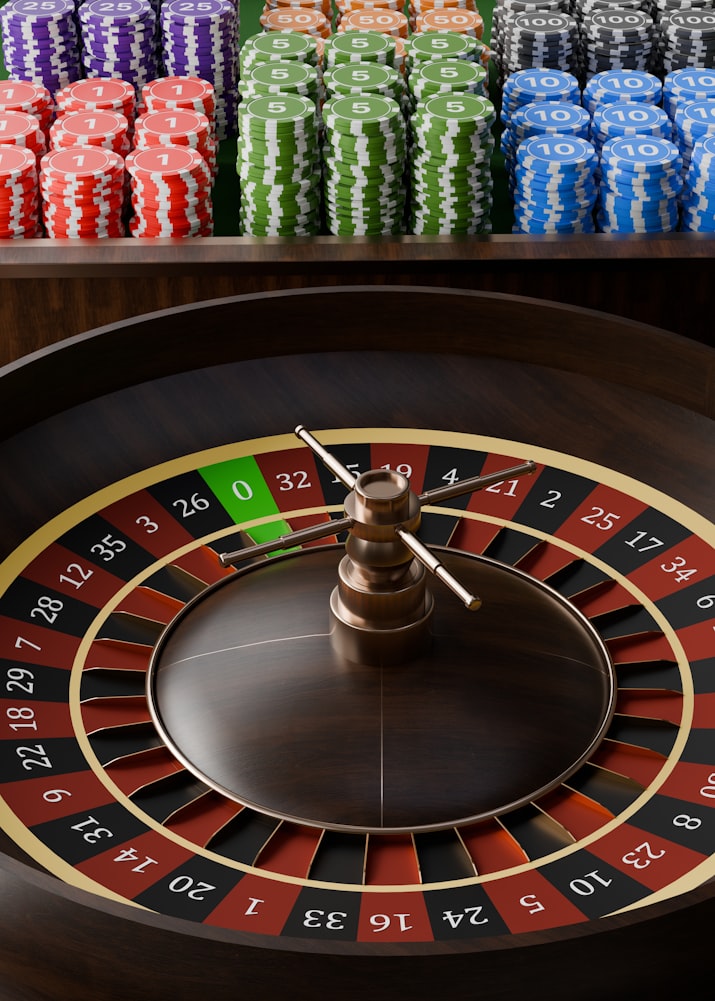
Cognitive biases play a significant role in how gamblers perceive risk. The illusion of control, for example, leads players to believe they can influence outcomes through their actions, such as choosing specific numbers in games like roulette. This false sense of agency can propel individuals to take greater risks, as they believe they have the ability to sway the odds in their favor.
Another common bias is the gambler’s fallacy, which is the belief that past outcomes affect future ones. For instance, a player may think that since a certain number hasn’t appeared in a while, it is “due” to come up soon. This erroneous reasoning can lead to increased risk-taking as gamblers chase losses or increase their bets based on flawed logic.
The Impact of Emotion on Decision-Making
Emotions significantly influence decision-making in casino environments. The highs and lows of winning and losing can create a rollercoaster of feelings that impact how individuals choose to gamble. When experiencing wins, players may feel invincible, prompting them to take larger risks, while losses can lead to a desperate desire to recoup lost funds.
Moreover, the emotional state of a player can alter their perception of risk. Individuals who enter a casino feeling confident and excited are more likely to engage in riskier behavior compared to those who might be feeling anxious or cautious. This emotional volatility can make it difficult for players to make rational decisions, leading to impulsive choices that may not align with their best interests.
The Social Influences of Casino Gaming
Social dynamics play a crucial role in the psychology of risk-taking in casinos. Group behaviors can significantly influence individual gambling choices, where witnessing others’ successes may encourage players to take bolder risks. This phenomenon, known as social proof, can lead individuals to believe that risky behavior is not only acceptable but also rewarding.
Additionally, peer pressure within casino settings can push players to gamble beyond their limits. Friends or companions may encourage riskier bets, fostering an environment where taking chances becomes a collective norm. Such social influences can amplify the excitement and thrill of gambling but may also lead to detrimental financial consequences for individuals who feel compelled to conform.
Finding Balance in Gaming Behavior
Understanding the psychology behind risk-taking in casino gaming is essential for responsible gambling. Players must recognize the emotions and cognitive biases that can lead them to make impulsive decisions. Engaging in self-awareness and setting limits can help individuals maintain a healthy relationship with gambling.
For those seeking to enjoy casino gaming while managing risks, tools and platforms that promote responsible gaming practices can be invaluable. These resources assist players in tracking their gaming habits, providing insights into their behavior, and helping them navigate the thrilling yet risky world of casino entertainment safely.