
Exploring the mindset How psychological triggers influence gambling behavior
The Nature of Gambling Behavior
Gambling behavior is an intricate interplay of psychological factors that shape an individual’s decision-making process. At its core, gambling is often driven by the desire for excitement, risk, and the possibility of winning. This urge can sometimes overshadow rational thought, pushing individuals to engage in behaviors they might normally avoid. Understanding this underlying psychology is crucial for both gamblers and those trying to assist them in recognizing unhealthy patterns. Engaging with resources like Funky Time can further enhance understanding.
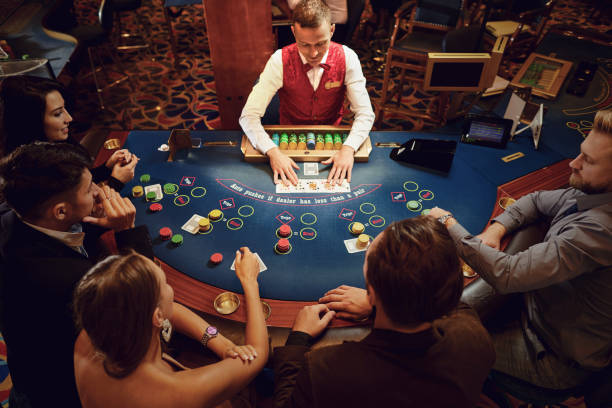
The experience of gambling is heightened by various psychological triggers that can evoke emotional responses. These triggers can include anticipation, the thrill of potential winnings, or even the social environment of a casino. When individuals experience these emotions, their brains release dopamine, a chemical associated with pleasure and reward, reinforcing the behavior and often leading to repeated gambling sessions.
Addiction can be an unfortunate byproduct of these psychological influences. Many gamblers may find it difficult to step back and assess their habits objectively, particularly when they are engulfed in the excitement of potential rewards. Therefore, a deeper understanding of these psychological triggers is essential in developing strategies to foster healthier gambling behavior and mitigate the risks associated with excessive gambling.
Numerous psychological triggers can significantly influence gambling behavior. One of the most prominent is the illusion of control, where gamblers believe they can influence the outcome of games through their actions or strategies. This misconception often encourages further gambling as individuals feel empowered, despite the inherently random nature of many gambling activities, such as slot machines or roulette.
Another critical trigger is the concept of near-misses, which occurs when a player almost wins but does not. Near-misses can create a false sense of hope and encourage further gambling. The mind interprets near-misses as evidence that winning is just around the corner, leading individuals to believe that they should continue gambling to achieve that elusive victory.
Additionally, the availability heuristic influences how gamblers perceive their chances of winning. When people hear about substantial wins or see others winning, they may overestimate their odds of winning. This cognitive bias can lead to a continuous cycle of play, as gamblers feel that they too could achieve similar success, despite the underlying statistical realities that suggest otherwise.
The gambling environment itself plays a significant role in influencing behavior. Casinos are designed to immerse players in an experience that excites the senses, from the sounds of ringing slot machines to the flashing lights that create an atmosphere of thrill and anticipation. Such environments can blur the lines between reality and fantasy, making it easier for individuals to lose track of their spending and time.
Social interactions within gambling spaces can also heighten emotional responses. Gamblers often feel a sense of camaraderie and competition, which can amplify the desire to continue playing. This social aspect can lead to peer pressure, where individuals feel compelled to keep gambling, whether to keep up with friends or to maintain a sense of belonging.
Moreover, environmental cues, such as the presence of alcohol or the absence of clocks, are intentionally employed to create a more conducive atmosphere for gambling. These factors contribute to a setting where rational decision-making becomes increasingly difficult, allowing individuals to remain engaged in gambling behaviors longer than they might have otherwise intended.
Experiencing losses in gambling can have profound psychological effects on individuals. The emotional impact of losing money can lead to feelings of shame, frustration, and even desperation. This distress can sometimes drive individuals to gamble more in an attempt to recover losses, creating a vicious cycle that is difficult to break. Understanding the psychology of loss is essential in addressing these behaviors effectively.
The concept of loss aversion suggests that individuals are more motivated to avoid losses than to achieve gains. This principle can explain why gamblers often chase their losses, believing they can turn their fortunes around. The emotional weight of losing can obscure rational judgment, pushing individuals to gamble even when it may not be in their best interest.
Furthermore, the psychological repercussions of losses can lead to withdrawal from social circles or increased isolation. As gamblers continue to chase their losses, they may prioritize gambling over relationships, work, and other aspects of life. Recognizing these patterns is critical for family members and friends who wish to provide support and encouragement for healthier behaviors.

At Funky Time, we are committed to providing a comprehensive understanding of gambling behavior and its psychological underpinnings. Our platform is designed not only for entertainment but also for education, equipping players with the tools necessary to make informed decisions. From our engaging live game show experiences to strategic resources, we aim to enhance the overall gambling experience while promoting responsible gaming.
We offer a wealth of information about different games, including tips on how to approach each experience mindfully. Our resources encompass not only game strategies but also insights into managing gambling behavior, helping players recognize and respond to psychological triggers effectively. By fostering an understanding of these elements, we encourage a more responsible approach to gambling.
Join us at Funky Time, where the excitement of gaming intertwines with a commitment to responsible play. We believe that understanding the psychological aspects of gambling can empower individuals to enjoy their experiences while minimizing risks. Engage with us to explore the captivating world of gaming while keeping your gambling behavior in check.